Plan your visit to São Paulo Zoo
São Paulo Zoo is one of Brazil’s best-known wildlife attractions, combining classic zoo exhibits with Brazilian native species, conservation programs, and nearby experiences like Simba Safari and the São Paulo Botanical Garden. Opened in 1958, the zoo spans 47 hectares and is home to more than 230 animal species, including endangered Brazilian wildlife.
Quick overview: São Paulo Zoo at a glance
- When to visit: Monday to Friday 9am to 5pm, weekends and holidays 8:30am to 6pm. Weekday mornings right at opening are the calmest across all three attractions.
- Getting in: From R$99.90 for standard zoo entry. Pair tickets with Simba Safari or the Botanical Garden for a more comprehensive visit. Booking in advance is strongly recommended during weekends, holidays, and the July school break.
- How long to allow: Allow 4–6 hours for a complete visit to the zoo. A full day is more realistic if you also plan to visit Simba Safari, or two days to include the Botanical Garden.
- When to go: Early mornings are best for cooler weather, active animals, and shorter lines at Simba Safari.
- What most people miss: The Lear’s Macaw aviary near the entrance and the native Brazilian wildlife areas with golden lion tamarins and maned wolves are among the zoo’s standout sections.
🎟️ Tickets for São Paulo Zoo and Simba Safari often sell out a few days in advance during school holidays and long weekends. Lock in your visit before your preferred time is gone.
Jump to what you need
🕒 Where and when to go
🗓️ How much time do you need?
🎟️ Which ticket is right for you?
🗺️ Getting around
🦁 Which animals to prioritize
♿ Facilities and accessibility
Where and when to go
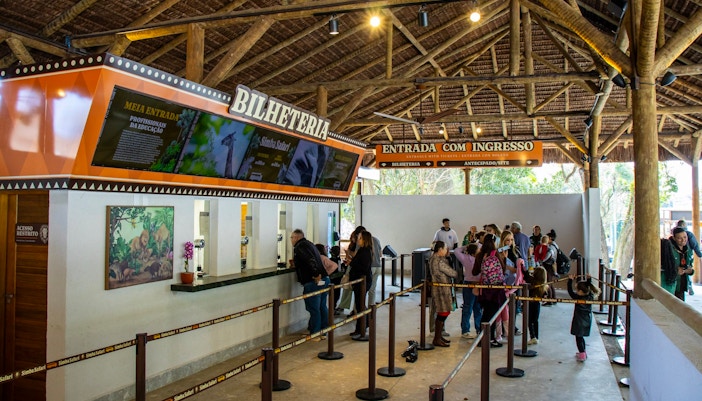
How do you get to São Paulo Zoo?
Address:
- Zoo: Av. Miguel Estefano, 4241, Água Funda, São Paulo | Find on Google Maps
- Simba Safari: Av. do Cursino, 6338, Vila Moraes, São Paulo | Find on Google Maps
- Botanical Garden: Av. Miguel Estefano, 3031, Água Funda, São Paulo | Find on Google Maps
Getting there:
- Metro + shuttle: Jabaquara station → ZooTur shuttle → direct drop-off at the entrance with the simplest public transit connection.
- Bus: Lines serving the Água Funda / Miguel Estéfano area → 5–10 min walk → useful if you’re already in the south of the city.
- Taxi/rideshare: Main entrance drop-off → closest door-to-door option → best if you’re visiting with children or returning after a full day.
- Car/parking: On-site paid parking → easiest for families, though weekends and holidays fill fastest.
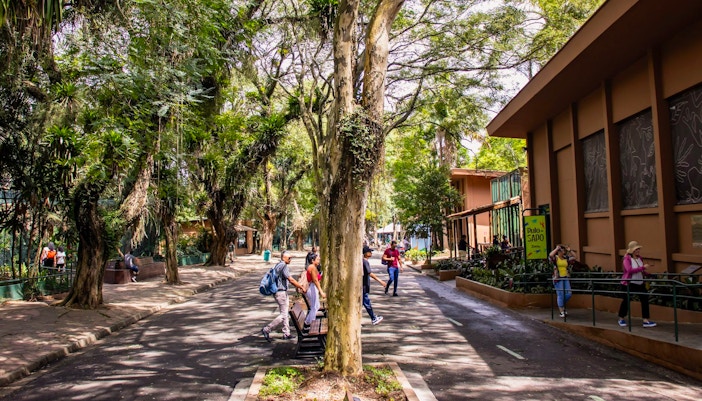
Which entrance should you use?
São Paulo Zoo, Simba Safari, and the Botanical Garden have separate entrances, which are straightforward to enter. For Simba Safari, arrive at least 20 minutes before your booked session.
- Online tickets: For pre-booked visitors. Expect 5–15 min wait during busy weekends and school holidays.
- On-site ticket booth: For same-day buyers. Expect 20–60 min wait on Sunday mornings, holidays, and July peak dates.
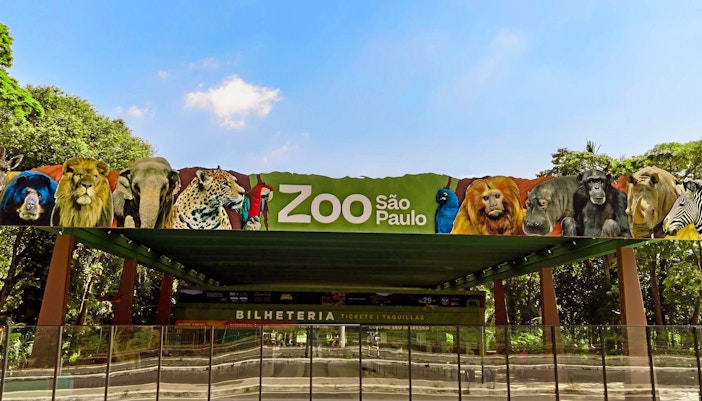
When is São Paulo Zoo open?
São Paulo Zoo (ticket offices close one hour before closing)
- Weekdays: 9am to 5pm, last entry 4pm
- Weekends & holidays: 8:30am to 6pm, last entry 5pm
Simba Safari
- Weekdays: 9am to 6pm, last entry 5pm (first session: 9:30am)
- Weekends & holidays: 8:30am to 6pm, last entry 5pm (first session: 9am)
Botanical Garden
- Monday to Friday: 9am to 5pm, last entry 4pm
- Weekends and holidays: 9am to 6pm, last entry 5pm
- Museum and greenhouses open only on weekends and holidays, 10am to 4pm.
Pro tip: Visit right at opening on a weekday for cooler weather, more active animals, quieter Botanical Garden trails, and shorter Simba Safari queues.
How much time do you need?
| Visit type | Route | Duration | Walking distance | What you get |
|---|---|---|---|---|
Highlights only | Entrance → native wildlife exhibits → elephants and giraffes → big cats → reptile house → exit | 4-6 hrs | ~4km | You cover the animals most people came for and the strongest Brazilian-species section, but you skip the safari and the slower garden finish. |
Balanced visit | Simba Safari → main zoo loop → big cats → lake area → exit | One full day | ~6km | This gives you the classic zoo and one major add-on, which is the sweet spot for most first-time visitors who want more than just a quick circuit. |
Full exploration | Simba Safari→ main zoo loop → shuttle / walk to Botanical Garden → exit | Two days. Day 1: Zoo + Safari, Day 2: Botanical Garden | ~8km | This works best if you genuinely want the extras; it’s rewarding, but by the final third most visitors feel the distance and pace. |
Which São Paulo Zoo ticket is best for you
| Ticket type | What's included | Best for | Price range |
|---|---|---|---|
São Paulo Zoo Ticket | Zoo entry + main exhibits | First visit to the zoo, 4 to 6 hours | |
Simba Safari Ticket | Simba Safari with guided tour on truck | Roaming animal encounters beyond standard enclosures | |
Jardim Botánico Ticket | Unlimited 12-month entry to Botanical Garden | Repeat visitors, locals, year-round nature access |
How do you get around São Paulo Zoo?
São Paulo Zoo, Simba Safari, and the Botanical Garden are three separate sites within the same complex. All visits are self-guided on foot inside the zoo and garden. Simba Safari runs on guided vehicles with fixed timed departures. Plan your day around safari session times first, then build the rest of your route around them.
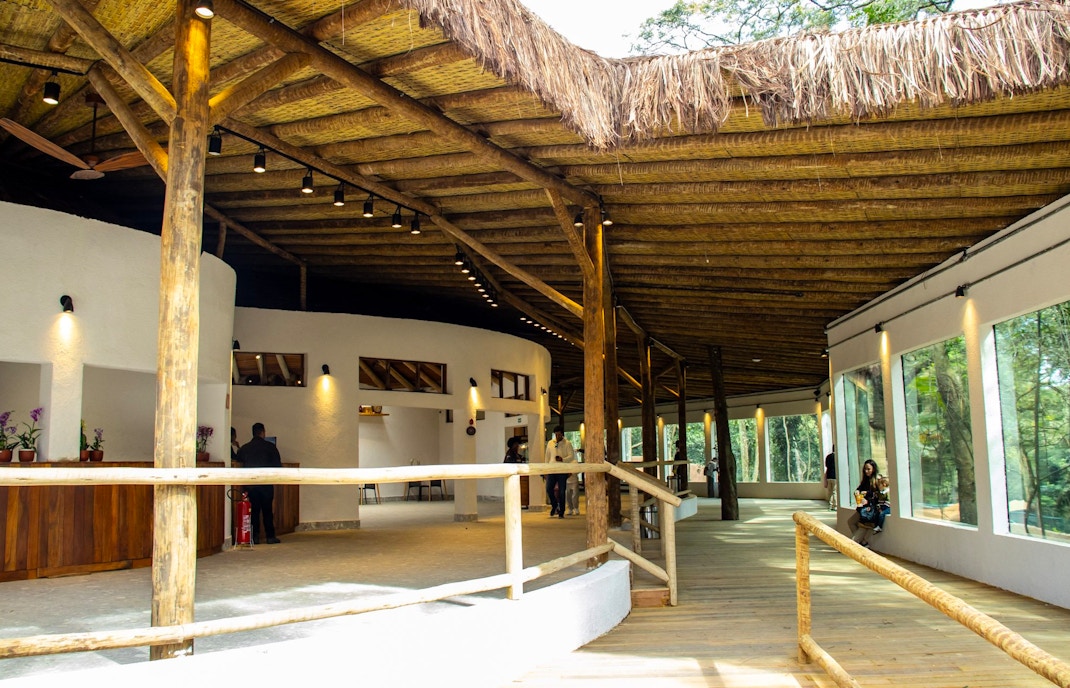
Main zones and suggested route
- São Paulo Zoo: Core animal circuit covering big cats, elephants, giraffes, maned wolves, golden lion tamarins, aviaries, and reptile houses across 47 hectares. Budget 3 to 4 hours.
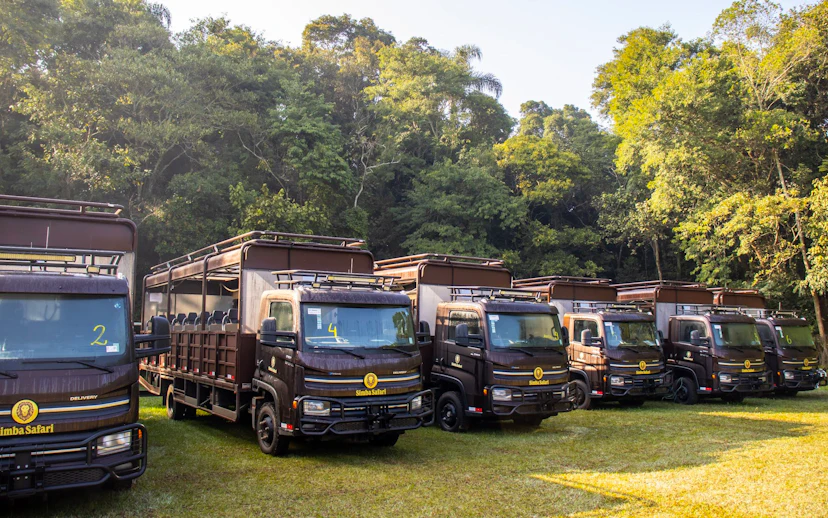
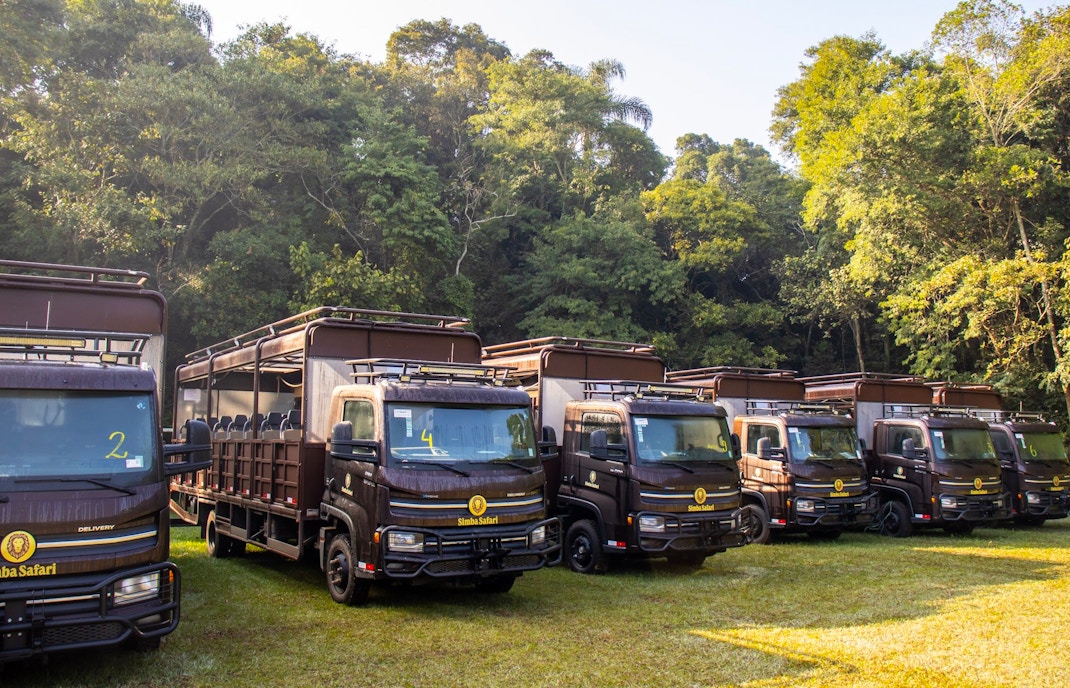
- Simba Safari: Separate site at Av. do Cursino, 6338. Guided vehicle sessions through open wildlife areas on fixed-time departures. Budget 40 minutes per session with travel and boarding time.
- Botanical Garden: Separate entrance at Av. Miguel Estefano, 3031. Atlantic Forest trails, orchid collections, and lakes daily. Museum and greenhouses on weekends and holidays only. Budget 2 to 3 hours minimum, or a standalone visit for the full experience.
Suggested route: Book the first Simba Safari morning session before arriving at the zoo. Start the main zoo circuit immediately after opening while animals are active and temperatures are cooler. Save the Botanical Garden for a separate weekend morning when the museum and greenhouses are open alongside the trails.
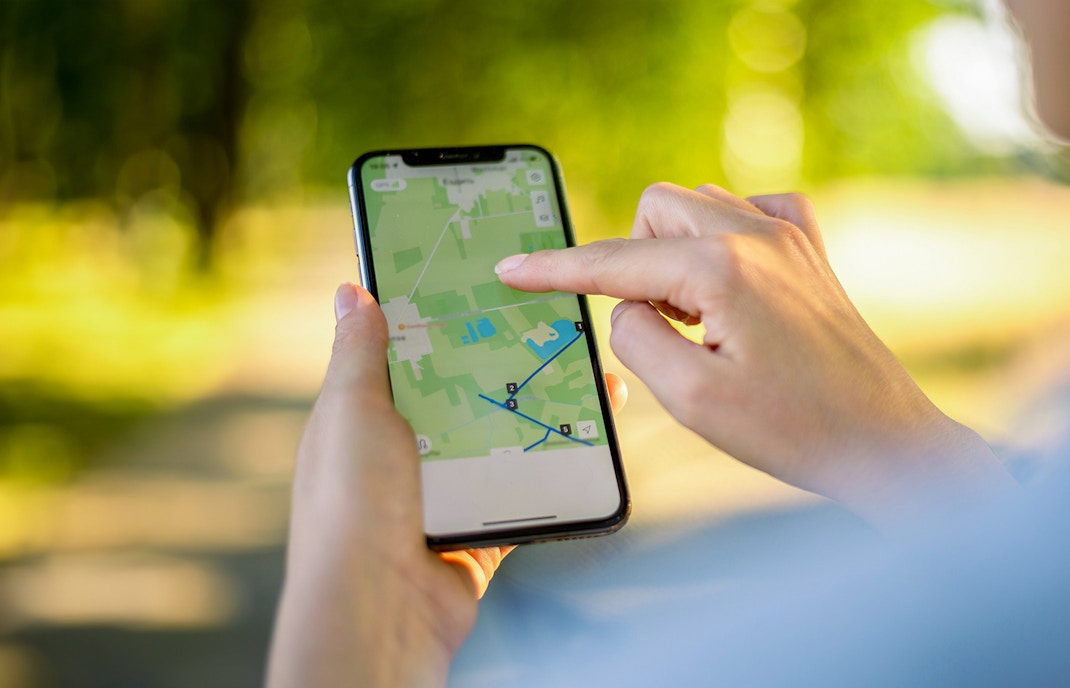
Maps and navigation tools
- Map: Pick up a zoo map at the main entrance gate to sequence your route around Simba Safari session times.
- Signage: Good enough for most self-guided visits, though the extra attractions make a map worthwhile if you’re trying to fit everything into one day.
Pro tip: Do the safari first, the zoo in one sweep, and treat the Botanical Garden as its own day rather than a rushed final stop.
Which animals and habitats should you prioritize?
Simba Safari
Experience type: Drive-through safari
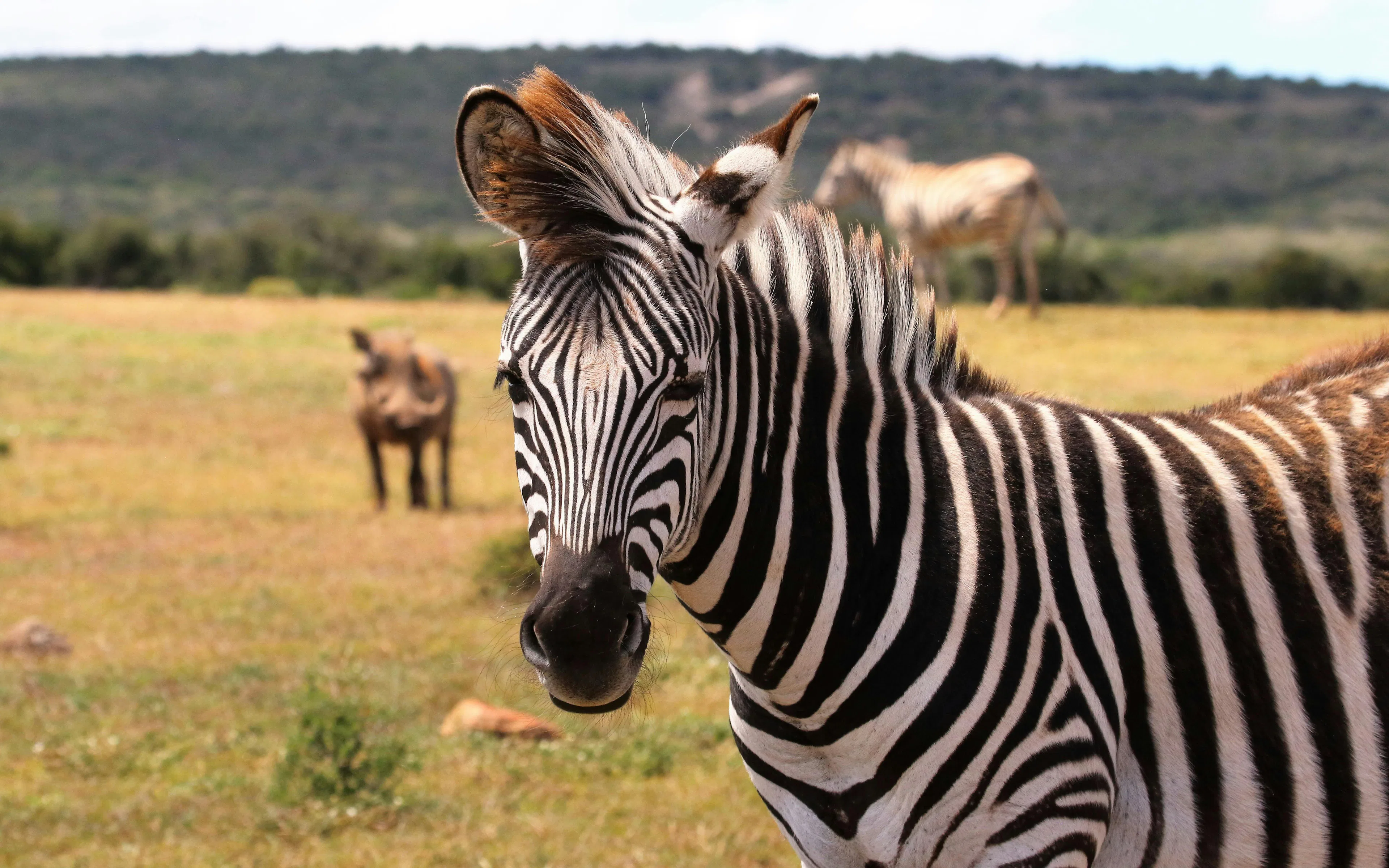
The closest thing to a barrier-light animal encounter in the complex. Guided vehicles move through open areas where giraffes, zebras, and ostriches feel far less staged than standard enclosures. Book the earliest session for calmer boarding and more active animals.
Where to find it: Separate entrance at Av. do Cursino, go there early if it’s part of your day.
Botanical Garden
Experience type: Atlantic Forest trails and botanical garden
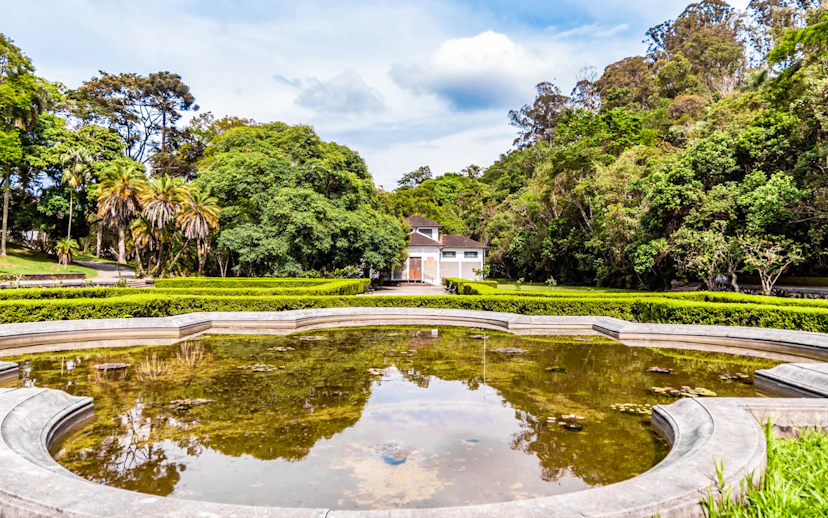
The quietest part of the complex. Trails connect orchid gardens, lily pad lakes, and Atlantic Forest fragments across open grounds. The Hidrofitotério, a 1947 aquatic garden with 80 plant compartments, sits furthest in and is missed by most visitors. The museum and greenhouses only open on weekends and holidays from 10am to 4pm, so a weekday visit gives you trails and lakes only.
Where to find it: Separate entrance at Av. Miguel Estefano, 3031, adjacent to but distinct from the zoo gate.
Bengal tiger habitat
Species / habitat: Bengal tigers in the zoo’s newer big-cat enclosure
Large, naturalistic enclosure with waterfalls, rockwork, and a pool. Multiple sightlines make it one of the strongest viewing spots in the zoo. Stay a few extra minutes rather than moving on after the first sighting.
Where to find it: In the big-cat section of the main zoo circuit.
Lear’s Macaw aviary
Species / habitat: Rare Brazilian parrot species
Easy to rush past near the entrance, but one of the zoo's most significant conservation stories. The electric-blue plumage is striking in morning light. Read the signs here as they explain why this species matters beyond the photograph.
Where to find it: Near the entrance area, before the deeper main loop pulls you onward.
Golden lion tamarin and native primates
Species / habitat: Endangered Brazilian primates
Golden lion tamarins and native primates are small, fast, and easy to miss if you are moving with a crowd. These habitats represent some of the zoo's most serious conservation work. Slow down and give them proper attention.
Where to find it: In the Brazilian wildlife / primate areas along the main route.
Maned wolf habitat
Species / habitat: South American canid
Looks nothing like the wolf most visitors expect. Long-legged, fox-faced, and quieter in behavior. Rewards patient viewing. Many walk on if the animal is farther back, which is exactly the wrong instinct here.
Where to find it: In the native fauna section of the zoo.
Reptile house
Species / habitat: Reptiles and amphibians
A smart midday stop when outdoor heat reduces animal activity. Viewing is tighter and more controlled than large enclosures. Do not rush past the anaconda and alligator displays where the best details are in how well the animals blend into the habitat.
Where to find it: On the main zoo route, usually best tackled after the large outdoor exhibits.
Facilities and accessibility
- Stroller rental: Available at São Paulo Zoo entrance.
- Restrooms: Spread across the grounds and easier to find near food stops, major exhibit clusters, and the add-on attraction areas.
- Food: Zoo has a variety of restaurants and snack bars across the main circuit. The Botanical Garden has Restaurante Bromélia Gastronomia.
- Gift shop / merchandise: Available near the main entrance at São Paulo Zoo. Best saved for the end, so you’re not carrying it through several hours of walking.
- Water fountains / bottle refill stations: Available around the park, and genuinely useful in São Paulo’s humid weather.
- Seating / rest areas: Benches and shaded picnic-style spots near the lake and garden areas are the easiest places to reset mid-visit.
- Wi-Fi: Don’t rely on it as your only navigation tool; a paper map or screenshot of the route is safer.
- Parking: São Paulo Zoo & Simba Safari share an on-site parking lot with a capacity of up to 2,000 vehicles, while the Botanical Garden has its own at Rua Etruscos, 52.
- São Paulo Zoo: Main paths are paved and manageable for wheelchairs and strollers. Some sections involve gradients and long distances. Accessible parking bays near the main entrance with a step-free path to the gate.
- Simba Safari: Has accessible seating on its trucks for a guided safari.
- Botanical Garden: Most visitor routes include ramps, accessible restrooms, and water fountains throughout. Historic greenhouses cannot accommodate ramps due to heritage protection status. While the Nascente Trail is accessible to visitors with reduced mobility, the Terra Batida Trail is not due to uneven slopes.
Pro tip: As São Paulo Zoo and the Botanical Garden need excessive walking, plan rest stops and realistic timeframes rather than trying to cover everything in one push.
São Paulo Zoo, Simba Safari, and the Botanical Garden work especially well for children because the day naturally alternates between big animals, short rides, play-style moments, and shaded outdoor breaks.
- Time: 4–5 hours is realistic with younger children if you focus on the main zoo and one extra rather than trying to complete every add-on.
- Facilities: Stroller rentals, restrooms, picnic-style rest areas, and kid-friendly add-ons like Dino World make it easier than many large outdoor attractions.
- Engagement: Don’t leave all the exciting bits for later — start with monkeys, giraffes, or the safari so younger children stay interested before the long walking sets in.
- Logistics: Bring snacks, water, sun protection, and a change of clothes for hot or rainy weather, and aim for opening time when the park still feels manageable.
Pro tip: The Botanical Garden works well as a final stop if children still have energy but need a quieter setting.
Rules and restrictions

What you need to know before you go
- Entry requirement: Online tickets are usually the smarter choice, and reduced-fare visitors should carry the ID that proves their eligibility.
- Bag policy: A small daypack or snack bag is the easiest setup here, because you’ll carry everything for several hours through a large outdoor route.
- Re-entry policy: Re-entry is not permitted on all three attractions.
Not allowed
- Food and drink: Bringing snacks is common and practical, but treat the animal areas like a wildlife space rather than a picnic zone.
- Feeding or touching animals: Not allowed outside supervised contact areas, because it disrupts routines and defeats the purpose of protected habitats.
- Pets: Leave pets at home, since a working zoo environment and wildlife enclosures are not set up for them.
- Smoking and vaping: Keep them out of crowded family areas and away from the animal-viewing route.
Photography
Personal photography is welcome across all three attractions. The best light and animal activity is in the first two hours after opening. Avoid flash inside enclosed houses and at close viewing areas. On safari, patience matters more than equipment.
Good to know
- Weekday pairing trap: The zoo opens daily, but the Botanical Garden next door has museums and greenhouses inside which are open only on weekends, so don’t build your perfect combo day around both on that date.
- Simba Safari expectations: It works best in the morning, as later in the day, you may miss out on the close-up encounters that it is known for.
Practical tips
- Booking and arrival: Book online before weekends, holidays, and July school break, because the real time penalty here is often the ticket line rather than the entrance gate.
- Arrive at opening: Animals are most active, temperatures are cooler, and Simba Safari boarding queues are shortest in the first two hours. Avoid weekends between 11am and 2pm when all three attractions peak together.
- Simba Safari first: Book the earliest session and go before the zoo fills up. Later sessions have longer queues and less active animals.
- Botanical Garden timing: Museum and greenhouses open weekends and holidays only, 10am to 4pm. Weekday visits give trails and lakes only. Plan a weekend morning for full access.
- Pacing: The zoo is the largest single site. Save energy for the Brazilian wildlife habitats and aviaries deeper into the circuit. These sections are easier to rush past when tired and are the zoo's strongest differentiator.
What else is worth visiting nearby?
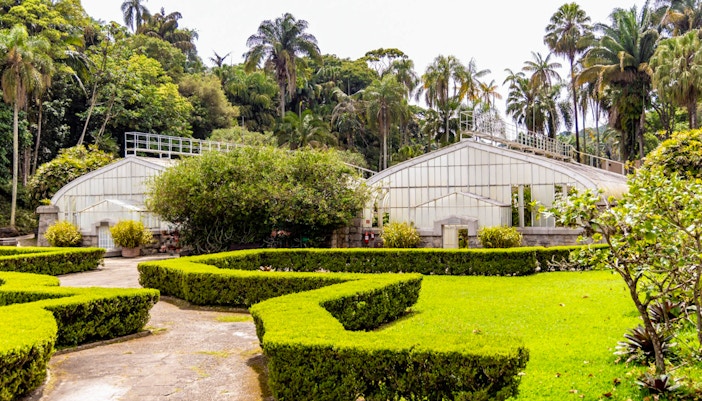
Commonly paired: São Paulo Botanical Garden
Distance: Next door — 5 min walk
Why people combine them: It gives you the calm, shaded finish that the zoo itself doesn’t, and it’s by far the easiest same-day pairing.
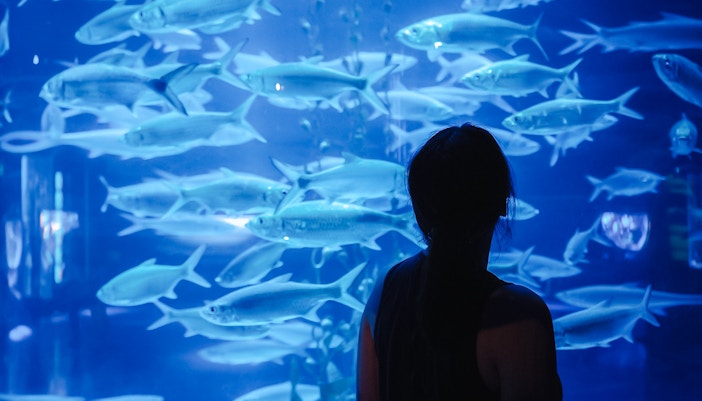
Commonly paired: São Paulo Aquarium
Distance: 15km — 30–50 min by car
Why people combine them: It appeals to the same animal-loving crowd, but with an indoor, marine-focused experience that contrasts nicely with the zoo’s outdoor walking day.

Also nearby
Parque da Mônica
Distance: About 10km — 15 min by car
Worth knowing: It’s a strong backup if you’re traveling with children and want to turn the day into a broader family outing rather than a wildlife-only plan.
Ibirapuera Park
Distance: About 8km — 25 min by car
Worth knowing: Better as a relaxed second stop than a same-day rush, especially if you want open space and a slower city finish after the zoo.
Eat, shop and stay near São Paulo Zoo
- On-site: Zoo snack bars and cafeterias cover basic meals, drinks, and kid-friendly snacks; useful for convenience, but not the part of the day people rave about on value.
- SP Market food court: Better if you want more choice after your visit, especially with children who need a simpler, faster dinner.
- Jabaquara station cafés: Practical for a quick coffee or snack if you’re using public transport and don’t want to eat inside the park.
- Botanical Garden picnic-style break: The best move if you brought your own food and want a calmer setting after the busiest zoo hours.
Pro tip: If you’re doing the safari, don’t wait until 1pm to eat, as late-morning food lines rise fast, and a packed snack buys you flexibility when the park is hottest.
- Zoo gift shop: Best for plush animals and child-focused souvenirs, and easiest to browse at the end so you’re not carrying purchases all day.
- SP Market: Better for a wider shopping stop than the zoo itself, especially if you want food, basics, or an easy family add-on after the park.
Água Funda is practical for the complex, but it’s not the most rewarding base for most São Paulo trips.
- Price point: Usually more functional than stylish, with better value than some central districts but fewer reasons to spend your evenings here.
- Best for: Visitors on a short family trip who want the easiest morning route to the zoo and don’t mind using rideshares for the rest of the city.
- Consider instead: Vila Mariana or Paulista if you want a stronger all-around São Paulo base, better food, easier sightseeing, and a more flexible neighborhood for longer stays.
Frequently asked questions about visiting São Paulo Zoo
For most visits, São Paulo Zoo takes 4 to 6 hours. It's a full day if you add Simba Safari. But two days is realistic if you add the Botanical Garden, particularly if you want weekend access to the Botanical Garden museum and greenhouses.
Strongly recommended for weekends, holidays, and July school break. Simba Safari sessions have fixed capacity and fill fastest on weekend mornings.
At opening or within the first 30 minutes. Animals are most active, temperatures are cooler, and safari queues are shortest in the first two hours across all three attractions.
São Paulo Zoo and Simba Safari work together on the same day with an early start. The Botanical Garden is better as a separate visit, especially on a weekend when the museum and greenhouses are open alongside the trails.
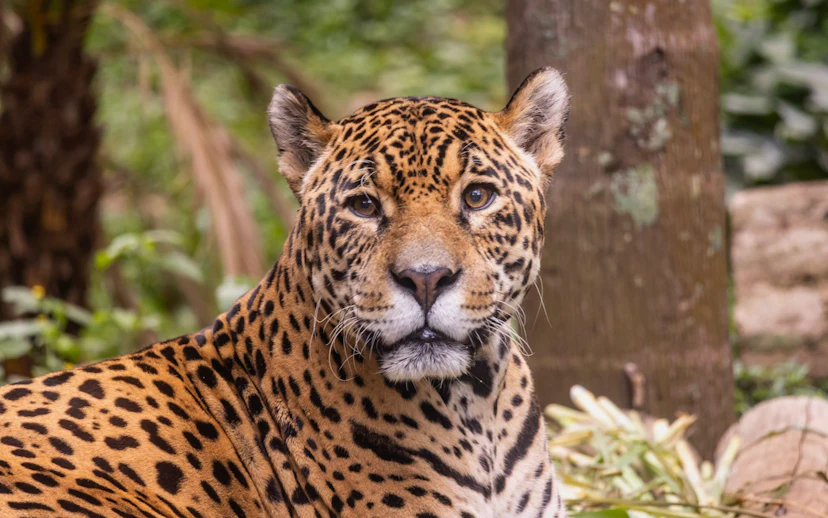
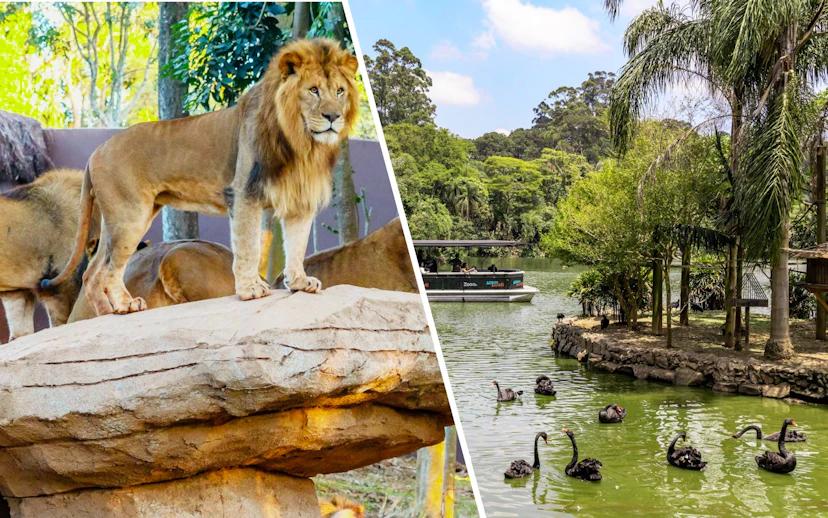
São Paulo Zoo has over 2,000 animals across 230+ species, including lions, jaguars, elephants, giraffes, hippos, rhinos, and chimpanzees. Native Brazilian species include maned wolves, golden lion tamarins, Lear's Macaws, flamingos, and axolotls. Simba Safari confirmed animals include lions and other open-area wildlife on guided vehicle routes.
Yes, open daily. Trails and gardens accessible every day from 9am. Museum and greenhouses open weekends and holidays only, 10am to 4pm. The Cerrado Greenhouse is currently temporarily closed.
Guided vehicle sessions on fixed timed departures throughout the day, approximately 40 minutes per session. First departure weekdays 9:30am, weekends and holidays 9am. Last session 5pm daily. Arrive at least 20 minutes before your chosen session.
Unlimited entry for 12 months from purchase date, valid once per day. Nominal and non-transferable. Includes 20% guest discount and 20% off at Zoo São Paulo restaurants.
Re-entry is not permitted at São Paulo Zoo, Simba Safari, or the Botanical Garden once you exit.
No. São Paulo Zoo, Simba Safari, and the Botanical Garden are each sold separately. There are no combo passes available.
São Paulo Zoo main paths are paved with accessible parking near the entrance. The Botanical Garden has ramps on most routes, an accessible museum, and an accessible Nascente Trail. Historic greenhouses cannot be adapted due to heritage protection. Contact Simba Safari directly for vehicle boarding accessibility information before visiting.